
After a long day, a bowl of beef and broccoli can feel like exactly what you need. You get savory sauce, bright green vegetables, and warm rice that catches every flavorful spoonful. Yet when your beef turns out tough or your sauce becomes watery, that comforting dinner can leave you wondering what went wrong.
Using flank steak for beef and broccoli gives you a flavorful starting point. The real difference comes from how you slice the meat, manage the heat, and bring everything together.
With thin strips of steak, a garlic-and-ginger sauce, and a few practical techniques, you can prepare a satisfying homemade stir-fry. Below, you’ll find the ingredients, cooking instructions, troubleshooting tips, and storage advice to help you through each stage.
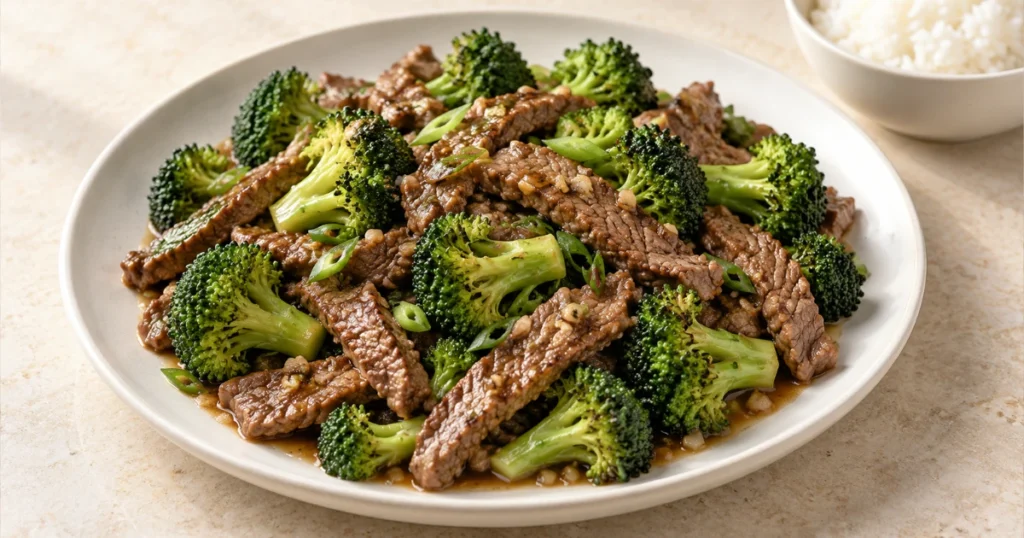
Table of Contents
Why Use Flank Steak for Beef and Broccoli?
Flank steak has a pronounced beef flavor that holds up well against soy sauce, garlic, and ginger. Its broad, relatively flat shape also makes it convenient to cut into strips.
However, this lean cut has noticeable muscle fibers. If you leave those fibers long, your beef can be difficult to chew, even when the sauce tastes excellent.
Thin Slices Make the Difference
Cutting across the grain shortens the muscle fibers in each piece. Combined with thin slicing, this makes flank steak better suited to quick stir-frying. Beef. It’s What’s For Dinner specifically identifies thinly sliced stir-frying as an appropriate preparation method for this cut.
Your goal is straightforward: evenly sliced beef that cooks quickly without spending unnecessary time in the pan.
Ingredients for Flank Steak Beef and Broccoli
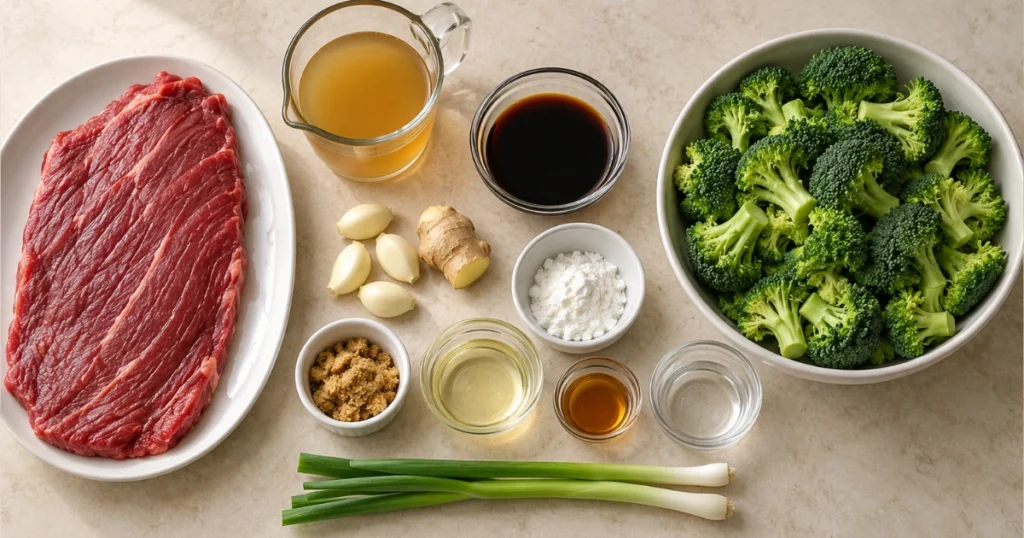
This recipe is designed for approximately four servings, especially when you serve it with rice. Prepare three groups of ingredients: the main stir-fry, a light marinade, and the sauce.
Main Stir-Fry Ingredients
| Ingredient | Quantity | Preparation |
|---|---|---|
| Flank steak | 1 pound / 454 g | Thinly sliced against the grain |
| Broccoli florets | 4 cups / approximately 340 g | Cut into evenly sized pieces |
| Neutral cooking oil | 2 tablespoons, divided | Use an oil suitable for stir-frying |
| Garlic | 4 cloves | Minced |
| Fresh ginger | 2 teaspoons | Finely grated |
| Water | 2 tablespoons | For steaming the broccoli |
| Cooked rice | As needed | For serving |
| Green onions or sesame seeds | Optional | For garnish |
Beef Marinade Ingredients
| Ingredient | Quantity |
|---|---|
| Reduced-sodium soy sauce | 1 tablespoon |
| Cornstarch | 2 teaspoons |
| Water | 1 tablespoon |
This short marinade seasons the beef and gives it a light cornstarch coating. You do not need to leave the steak soaking overnight.
Beef and Broccoli Sauce Ingredients
| Ingredient | Quantity |
|---|---|
| Reduced-sodium soy sauce | ¼ cup |
| Unsalted beef broth or water | ½ cup |
| Brown sugar | 1 tablespoon |
| Cornstarch | 1 tablespoon |
| Toasted sesame oil | 1 teaspoon |
Reduced-sodium soy sauce and unsalted broth help you control the saltiness. The brown sugar balances the savory ingredients without making sweetness the main flavor.
Toasted sesame oil contributes a noticeable nutty aroma, so measure it carefully. You’ll add it through the sauce rather than use it as your main frying oil.
How to Prepare Flank Steak for Beef and Broccoli
Before you heat your skillet, spend a few minutes preparing the meat properly. This step has a greater effect on tenderness than adding extra sauce later.
Slice Across the Grain
Place your steak on a cutting board and look for the parallel lines running through it. Those lines show the direction of the muscle fibers.
Position your knife across those lines and cut slices approximately ⅛–¼ inch thick. Keep the thickness as consistent as possible so the pieces cook evenly.
If the Steak Is Difficult to Slice
Place it in the freezer briefly until it feels firmer but remains easy to cut. Start checking after about 15 minutes; the time needed depends on its thickness and starting temperature.
You are firming the meat for easier cutting, not freezing it solid.
Add the Light Marinade
Combine the sliced steak with the marinade’s soy sauce, cornstarch, and water. Toss until the coating is distributed evenly, then refrigerate while you prepare the remaining ingredients.
This coating is helpful, but it cannot correct slices cut with the grain or beef left cooking too long.
How to Cook Flank Steak Beef and Broccoli
Use a large skillet or wok, a plate for the cooked broccoli, and a separate plate for the partially cooked beef.
Treat the following cooking times as guides. Your burner, pan, and slice thickness will affect how quickly everything cooks.
1. Prepare Your Ingredients and Sauce
Cut the broccoli, mince the garlic, and grate the ginger.
Whisk all the sauce ingredients together in a small bowl until no dry pockets of cornstarch remain. Keep the bowl beside the stove.
Once you begin stir-frying, you’ll need to move quickly. Having everything ready prevents your garlic from burning while you search for another ingredient.
2. Steam the Broccoli Briefly
Add the broccoli and 2 tablespoons of water to your skillet over medium-high heat. Cover and steam for approximately 2–3 minutes, checking for your preferred texture.
The florets should become brighter green while keeping some firmness. If the pan dries before they are ready, add a small splash of water.
Transfer the broccoli to a clean plate. Let any remaining moisture evaporate from the skillet.
3. Cook the Beef in Batches
Add 1 tablespoon of neutral oil. When it is hot, arrange half the beef in a single layer.
Let the pieces make contact with the pan before turning them. Start checking after about a minute, then turn and cook briefly on the other side.
Transfer the beef to its designated plate and repeat with the remaining tablespoon of oil and beef. At this stage, the beef will return to the sauce to finish cooking.
Leave Space Between the Pieces
If your skillet is small, use three batches instead of two. Crowded beef releases moisture that collects faster than it can evaporate, making browning difficult.
4. Cook the Aromatics and Add the Sauce
Reduce the heat to medium. Add the garlic and ginger, stirring for approximately 20–30 seconds, just until fragrant.
If the pan is dry, add a small splash of water to help keep the aromatics from scorching.
Whisk the sauce again because cornstarch settles. Pour it into the skillet and bring it to a gentle simmer, stirring until it begins to thicken.
5. Return the Beef and Broccoli
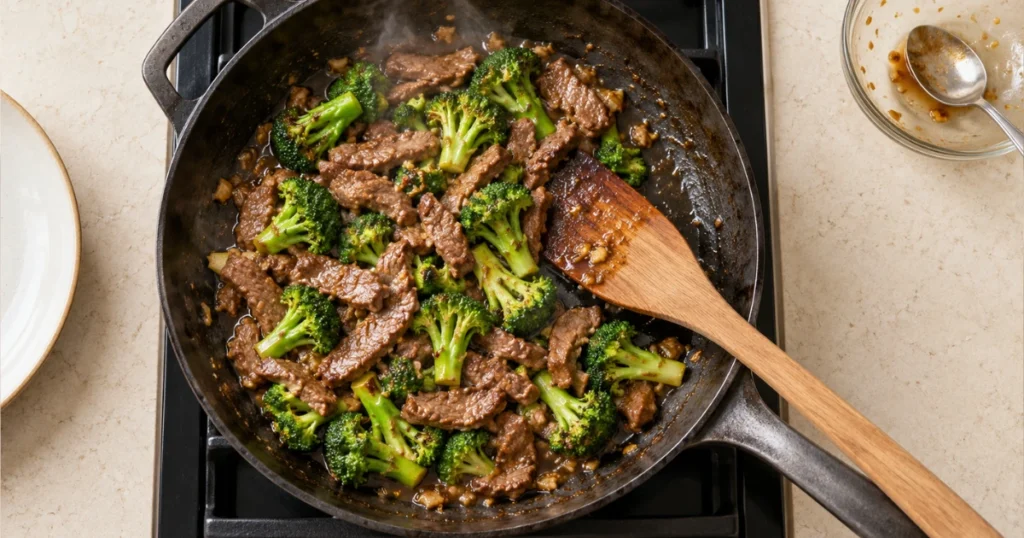
Add the beef, its collected juices, and the broccoli. Toss everything through the sauce and continue cooking until the beef reaches a safe temperature.
USDA recommends 145°F (63°C), followed by at least a three-minute rest, for beef steaks. Check a thicker piece with a suitable thin-tip thermometer rather than relying only on color. Remove the finished skillet from the heat and allow the rest before serving.
If the sauce becomes too thick, stir in water one tablespoon at a time. Spoon over rice and finish with optional green onions or sesame seeds.
Tips for Tender Beef and Balanced Sauce
Good beef and broccoli depends on a few small decisions. Use this table to identify what needs adjusting.
| Problem | Likely cause | Practical adjustment |
|---|---|---|
| Chewy beef | Thick slices, cutting with the grain, or overcooking | Slice thinly across the grain and monitor cooking |
| Little browning | Crowded skillet or excess moisture | Cook smaller batches |
| Thick, sticky sauce | Too much evaporation | Add water a tablespoon at a time |
| Watery sauce | Extra vegetable moisture or insufficient simmering | Simmer briefly before returning the beef |
| Overly salty flavor | Salty broth or soy sauce | Choose unsalted broth and reduced-sodium soy sauce |
| Soft broccoli | Excess cooking | Shorten the initial steaming stage |
Avoid simmering the beef for several extra minutes while trying to reduce a watery sauce. If necessary, lift the beef out, adjust the sauce separately, and return it briefly.
Taste before adding salt. You already have soy sauce in both the marinade and the sauce, so additional salt may be unnecessary.
Beef and Broccoli Substitutions
Can You Use Another Cut of Beef?
Sirloin or flat iron can be alternatives when flank steak is unavailable. You should still remove tough connective tissue, identify the grain, and slice thinly across it.
Do not assume that every cut cooks identically. Adjust your cooking based on the thickness and doneness of your pieces rather than following the clock alone.
Can You Use Frozen Broccoli?
Yes, although its texture may be softer than fresh broccoli.
Cook it separately according to the package directions, stopping when it reaches your preferred tenderness. Drain excess water before adding it to the sauce.
Putting frozen florets directly into the finished stir-fry can dilute the sauce and prolong the beef’s cooking time.
How Can You Make It Gluten-Free or Spicy?
For a gluten-free version, replace the soy sauce with certified gluten-free tamari and check your broth and other packaged ingredients.
For extra heat, add a pinch of chili flakes with the aromatics or serve chili sauce at the table. This lets you adjust individual portions without making the whole pan too spicy.
What to Serve With Beef and Broccoli
Rice gives the sauce somewhere to go, but you have several serving options:
- Jasmine rice: A simple accompaniment with a soft texture.
- Brown rice: A chewier option that works with the savory sauce.
- Rice noodles: Useful when you want a change from rice.
- Cauliflower rice: A vegetable-based accompaniment.
Start your rice before cooking the stir-fry so everything is ready together.
If you enjoy garlic-forward skillet dinners, you can also try chicken with garlic sauce for another meal in your weekly rotation.
How to Store and Reheat Beef and Broccoli
Refrigerate Leftovers Promptly
Divide leftovers into shallow containers and refrigerate within two hours, or within one hour if the temperature is above 90°F (32°C).
Keep your refrigerator at 40°F (4°C) or below and use the leftovers within three to four days. Avoid leaving the skillet on the counter until it has cooled completely.
Reheat With a Little Moisture
Place a portion in a skillet with a splash of water. Cover briefly, then stir so the food heats evenly.
You can also microwave it in a covered, microwave-safe container, stirring between heating intervals. Reheat leftovers to 165°F (74°C).
Freeze Individual Portions
Use freezer-safe containers and label them with the date. For best quality, aim to use frozen leftovers within three to four months; food kept continuously frozen remains safe longer, although quality can decline.
Expect the broccoli to soften after freezing and the sauce to need stirring during reheating.
Flank Steak for Beef and Broccoli
Ingredients
Method
- 1. Slice and marinate the beefCut the flank steak across the grain into strips approximately ⅛–¼ inch thick. Combine with 1 tablespoon reduced-sodium soy sauce, 2 teaspoons cornstarch, and 1 tablespoon water. Toss to coat and refrigerate while preparing the remaining ingredients.
- 2. Mix the sauceWhisk together ¼ cup reduced-sodium soy sauce, ½ cup unsalted beef broth, 1 tablespoon brown sugar, 1 tablespoon cornstarch, and 1 teaspoon toasted sesame oil. Set aside.
- 3. Steam the broccoliPlace the broccoli and 2 tablespoons water in a large skillet over medium-high heat. Cover and steam for approximately 2–3 minutes, until crisp-tender. Add a small splash of water if the pan dries too quickly. Transfer the broccoli to a clean plate and allow any remaining water in the skillet to evaporate.
- 4. Cook the beef in batchesAdd 1 tablespoon neutral oil to the skillet. Once hot, add half the beef in a single layer. Cook for approximately 1 minute before turning, then cook briefly on the other side. Transfer to a separate plate; the beef will finish cooking in the sauce. Repeat with the remaining oil and beef, using smaller batches if necessary.
- 5. Add the aromatics and sauceReduce the heat to medium. Add the garlic and ginger and stir for 20–30 seconds, until fragrant. If the skillet is dry, add a small splash of water to prevent scorching. Whisk the prepared sauce again, pour it into the skillet, and bring to a gentle simmer, stirring until it begins to thicken.
- 6. Finish cookingReturn the beef, its collected juices, and the broccoli to the skillet. Toss until coated and continue cooking until the beef reaches at least 145°F (63°C), checking a thicker piece with a suitable thin-tip thermometer. If the sauce becomes too thick, add water one tablespoon at a time. Remove from the heat and allow at least a three-minute rest before serving. This temperature and rest follow USDA guidance for beef steaks.
- 7. ServeServe over cooked rice, if desired, and garnish with sliced green onions or sesame seeds.
Notes
- Slicing: Cut across the visible muscle fibers. Briefly firming the steak in the freezer can make thin slicing easier.
- Pan size: Cook the beef in additional batches if needed to avoid crowding.
- Sauce: Re-whisk before adding it to the skillet because cornstarch settles. Thin with a little water as needed.
- Frozen broccoli: Cook separately and drain well before adding. Its texture may be softer.
FAQ: Flank Steak for Beef and Broccoli
Is Flank Steak Good for Beef and Broccoli?
Yes. Its beefy flavor works well with the sauce, and its shape makes thin slicing convenient. You’ll get better results when you cut across the grain and avoid prolonged cooking.
How Thin Should You Slice Flank Steak for Beef and Broccoli?
Aim for approximately ⅛–¼ inch thick. Consistent thickness helps your beef cook evenly, while cutting across the muscle fibers makes each piece easier to chew.
Do You Need to Marinate Flank Steak Overnight?
No. For this recipe, you coat the sliced beef while preparing the other ingredients. A long marinade is unnecessary and will not compensate for incorrect slicing.
Why Is Your Beef and Broccoli Chewy?
Check the cutting direction first. Long muscle fibers, thick slices, and overcooking can all contribute. For your next batch, slice more thinly across the grain and shorten unnecessary time in the pan.
Can You Make This Recipe Without a Wok?
Yes. A large skillet works well. Give the beef enough space and cook in additional batches if your pan cannot comfortably hold half the steak.
Can You Prepare It Ahead?
You can cut the broccoli and mix the sauce ahead, then refrigerate them separately. Stir the sauce again before using it. Cook the stir-fry close to serving time for the best freshly cooked texture.
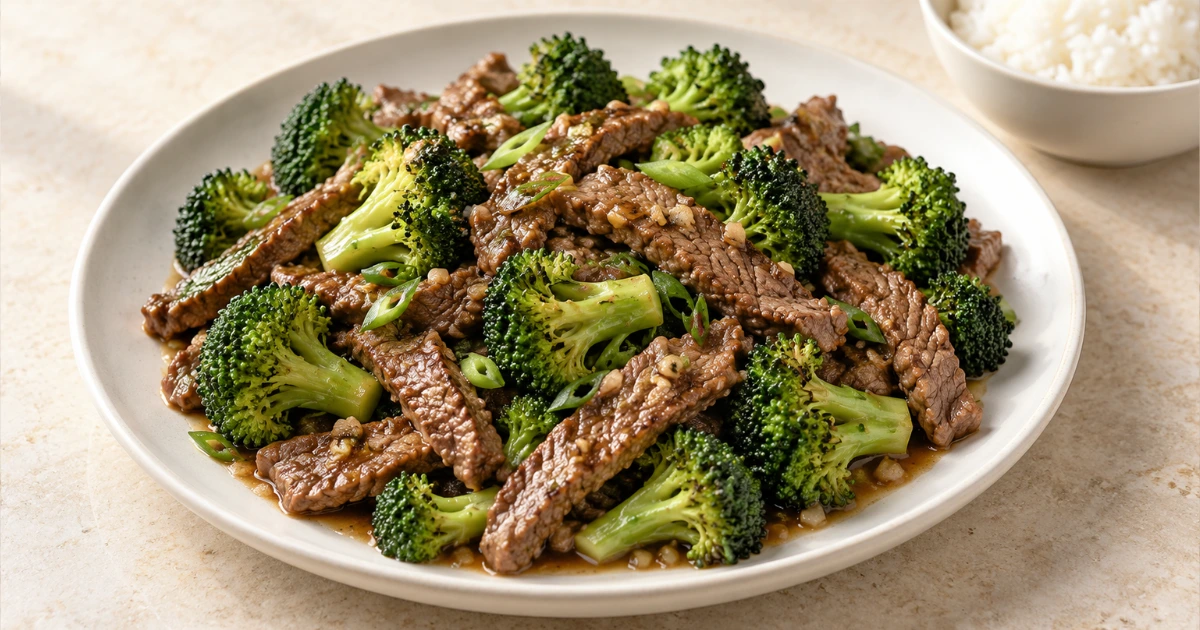
Preparing flank steak for beef and broccoli becomes easier when you focus on the steps that matter: thin slices across the grain, ingredients ready beside the stove, and enough room in the skillet.
Pair those habits with crisp-tender broccoli and a balanced garlic-and-ginger sauce, and you have a satisfying dinner to serve over warm rice.
Try the recipe, then leave a rating and a comment below. Did you serve yours with rice or noodles, and did you add a little extra heat?